

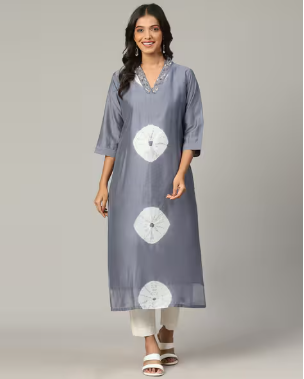
Indian traditional dresses have long been a symbol of elegance, culture, and timeless artistry. Spanning centuries of rich craftsmanship and regional variations, these garments are far more than fashion—they are living narratives of India’s diverse heritage. From royal courtly wear to everyday ensembles, traditional Indian attire for women continues to hold an irreplaceable place in wardrobes, both in India and across the globe.
Rooted in regional identities, handwoven fabrics, and artisanal techniques, Indian fashion is a beautiful blend of history and modern interpretation. Among the wide array of traditional garments, Chanderi Kurtas and Chikankari Kurtas represent just two of the many styles that highlight India’s legacy of textile excellence.
Cultural Identity Woven in Fabric
Traditional Indian dresses serve as a reflection of regional identities and cultural pride. From the vibrant Bandhani prints of Gujarat to the regal Banarasi weaves of Uttar Pradesh, each outfit tells a story of the land it originates from. These ensembles aren’t just worn for aesthetic appeal—they mark rituals, festivals, and rites of passage, keeping ancient customs alive through clothing.
The distinct regional crafts have transcended generations, and today, women proudly embrace these pieces as a mark of their roots. With evolving trends, traditional styles have adapted gracefully to contemporary silhouettes without losing their essence.
Handloom and Heritage
One of the most remarkable features of Indian traditional wear is its emphasis on handloom fabrics. Woven by skilled artisans, these textiles often take weeks or even months to complete. Their uniqueness lies in the attention to detail, be it in the weave, dyeing process, or embroidery work.
Chanderi Kurtas, for instance, are celebrated for their lightweight texture and sheer elegance. Originating from the town of Chanderi in Madhya Pradesh, this fabric combines silk and cotton with fine zari weaving. Perfect for festive or formal occasions, Chanderi attire reflects luxury without excess, making it a timeless piece in every woman’s ethnic wardrobe.
Embroidery as Expression
Embroidery has been at the heart of Indian fashion for centuries, with every region bringing its own flair. The intricate threadwork, bead detailing, and mirror embellishments have made Indian dresses world-renowned for their artistry.
Among the most elegant embroidery techniques is Chikankari—an art form native to Lucknow. Chikankari Kurtas are known for their delicate hand embroidery done on soft fabrics like cotton, georgette, and silk. Often worn in summer, they exude a sense of effortless grace. From floral motifs to geometric patterns, each Chikankari piece is handcrafted with precision, making it a cherished part of Indian ethnic fashion.
Bridging Generations Through Fashion
One of the greatest strengths of traditional Indian attire is its ability to bridge generations. Grandmothers, mothers, and daughters often share and pass down garments, keeping memories and traditions alive. Whether it’s a bridal saree, a festive lehenga, or a hand-embroidered kurta, these pieces hold sentimental value beyond their threads.
Younger generations, too, have embraced these styles, mixing traditional garments with modern fashion to create unique fusion looks. Pairing a Chanderi Kurta with cigarette trousers or styling a Chikankari Kurta with denim is now a common trend, proving that traditional wear can evolve without losing its roots.
Sustainable and Timeless
In the current era of conscious fashion, traditional Indian dresses stand out for their sustainability. Handwoven and handcrafted, these garments are often made using natural fibres and eco-friendly dyes. Their quality ensures longevity, allowing them to be worn season after season, unlike fast fashion alternatives.
This makes Indian traditional wear not only beautiful but also responsible. By choosing these outfits, wearers contribute to the livelihood of artisans and the preservation of age-old techniques.
Conclusion
The role of traditional Indian dresses in women’s fashion is both historical and evolving. From everyday elegance to ceremonial grandeur, these garments continue to define personal and cultural identity in meaningful ways. Whether it’s the rich texture of Chanderi Kurtas or the exquisite threadwork of Chikankari Kurtas, Indian ethnic wear remains a testament to the country’s unmatched heritage and artistic legacy.
In embracing traditional attire, women today do more than make a style statement—they carry forward a tradition that celebrates diversity, craftsmanship, and timeless elegance.
